
You are relaxing on the couch, scrolling through your phone, and suddenly your dog starts dragging its backside across the carpet like it is trying to mop the floor with its butt. Most dog owners laugh the first time they see it. It looks weird, dramatic, and honestly a little hilarious. But here’s the thing — dogs usually scoot because something feels uncomfortable. That funny little carpet ride is often your pet’s way of saying, “Hey, something back there is bothering me.”
Understanding dog scooting on floor reasons is important because the behavior can point to health problems hiding beneath the surface. Sometimes it is a simple issue like dirty fur stuck after a bathroom trip. Other times, it can signal swollen anal glands, allergies, worms, or skin irritation. Dogs cannot explain discomfort with words, so they communicate through actions. Scooting is one of those loud and clear signals that should never be ignored for too long.
Understanding Dog Scooting Behavior
Dog scooting happens when a dog drags its rear across the ground while using its front legs to pull itself forward. Some dogs scoot across carpets, while others prefer grass, concrete, or even your favorite rug. Dogs are not doing this to annoy their owners or entertain guests. In most cases, the behavior happens because something around the anus or tail area feels uncomfortable.
Occasional scooting once in a while may not be a major concern. A small piece of stool trapped in fur can easily cause temporary irritation. Long-haired breeds especially deal with this issue because hair near the rear can collect debris. But repeated scooting is different. If your dog scoots every day or several times a week, there is usually an underlying problem that needs attention..
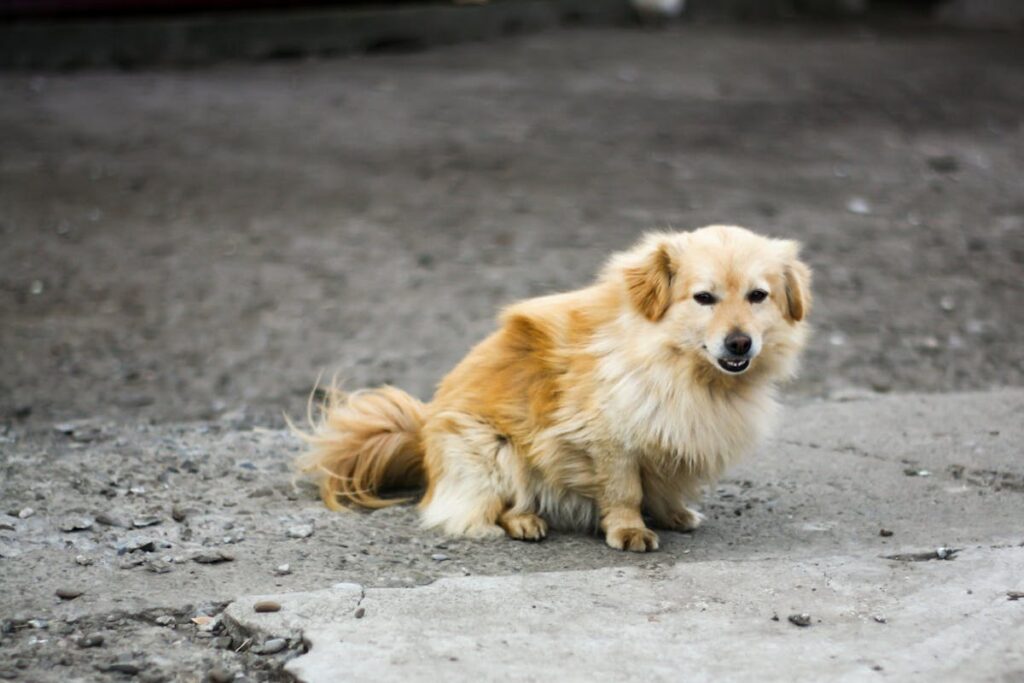
Most Common Dog Scooting on Floor Reasons
Anal Gland Discomfort
One of the biggest causes of scooting is anal gland trouble. Dogs have two tiny scent glands located near the anus. These glands release fluid during bowel movements and help dogs leave scent markers behind. Normally, the glands empty naturally. But sometimes the fluid becomes too thick or the glands fail to drain properly.
When that happens, pressure starts building up inside the glands. Imagine carrying around two tiny balloons filled with discomfort every time you sit down. Your dog feels irritation, fullness, and itching, which leads to scooting behavior. Small dog breeds like French Bulldogs, Chihuahuas, and Shih Tzus often experience this issue more than larger breeds.
Dogs with anal gland issues may show several symptoms besides scooting. Some lick the area constantly. Others release a strong fishy odor that suddenly fills the room. In severe cases, the glands can become infected or swollen. If ignored for too long, they may even rupture and create painful abscesses.
Worms and Parasites
Parasites are another common explanation for scooting. Worms, especially tapeworms, irritate the area around the anus and make dogs extremely uncomfortable. Fleas also contribute because flea allergies often trigger intense itching near the tail base.
Dogs pick up parasites more easily than many owners realize. A quick sniff during a walk, contact with contaminated soil, or swallowing fleas while grooming can expose them to worms. Puppies are especially vulnerable because their immune systems are still developing.
One sign of tapeworms is tiny white segments around the dog’s rear that resemble grains of rice. Along with scooting, infected dogs may lose weight, develop bloated stomachs, or show changes in appetite. Regular deworming and flea prevention are essential because parasites spread fast and cause major irritation.
Allergies and Skin Problems
Allergies in dogs work like invisible troublemakers. You cannot always see them immediately, but they create constant irritation beneath the surface. Dogs can react to food ingredients, pollen, dust, mold, grass, or flea bites. When allergies affect the skin near the rear area, scooting becomes a natural response.
Some dogs develop red inflamed skin around the anus. Others chew at their paws, scratch their ears, or lick their belly nonstop. Food allergies often trigger digestive upset too, which can worsen anal gland problems by causing soft stools.
Skin infections caused by bacteria or yeast also create serious itching. Warm, moist areas around the tail become the perfect environment for irritation. Once the skin becomes inflamed, your dog may scoot repeatedly trying to relieve the discomfort.
Poor Grooming Habits
Sometimes the answer is surprisingly simple. Dirty fur stuck around the backside can make dogs scoot almost immediately. Long-haired breeds like Golden Retrievers or Poodles are especially prone to this issue. Soft stool can cling to fur and create irritation that feels impossible for dogs to ignore.
Regular grooming helps prevent these problems before they start. Trimming fur around the rear area keeps things cleaner and reduces the chances of buildup. Bathing your dog regularly also helps remove bacteria, allergens, and trapped debris.
How Anal Glands Affect Your Dog
Anal glands may be tiny, but they can create huge problems when something goes wrong. These glands produce a strong-smelling liquid used for communication between dogs. Every time dogs sniff each other’s rear ends, they gather information from these scent glands like humans reading a social media profile.
Healthy anal glands empty naturally during bowel movements. Firm stools apply pressure that pushes the fluid out. But when stools become too soft, the glands may not empty completely. Over time, fluid thickens and causes blockages.
Hidden Medical Problems Behind Scooting
Scooting sometimes acts like a warning signal for deeper health problems. Food sensitivities are one hidden cause many owners overlook. Dogs can develop reactions to ingredients like beef, dairy, chicken, or wheat. These reactions inflame the digestive tract and create skin irritation near the anus.
Digestive problems also play a major role. Dogs with frequent diarrhea often struggle with anal gland issues because soft stools fail to empty the glands properly. Constipation can create similar pressure and discomfort. The digestive system works like a carefully balanced machine, and even small disruptions can affect your dog’s comfort.
Skin infections are another hidden culprit. Yeast infections thrive in warm moist areas and create unbearable itching. Dogs with bacterial infections may develop redness, swelling, and unpleasant odors around the tail region. Constant licking and chewing only make things worse.
Best Ways to Stop Dog Scooting
Stopping scooting starts with identifying the root cause. Treating the symptom without fixing the underlying issue is like putting tape over a leaking pipe. The problem keeps returning until the source gets repaired.
For mild irritation caused by dirty fur, simple cleaning may solve everything. Warm water, pet-safe wipes, and regular grooming often provide quick relief. Dogs with allergies may need dietary adjustments or medications to reduce inflammation.
Diet changes can make a massive difference too. Fiber-rich diets help create firmer stools that naturally empty the anal glands. Some veterinarians recommend pumpkin because it supports healthy digestion without upsetting the stomach.
Helpful prevention habits include:
- Keeping the rear area clean
- Using flea prevention monthly
- Feeding high-quality food
- Scheduling regular grooming
- Monitoring stool consistency
- Visiting the vet for recurring scooting
The earlier you address scooting, the easier it becomes to treat. Waiting too long often allows minor irritation to develop into painful infections.
Preventing Scooting in the Future
Prevention is always easier than treatment. A healthy routine keeps most dogs comfortable and reduces the chances of recurring scooting. Grooming plays a huge role because clean fur prevents trapped debris and bacteria from building up around the rear.
Parasite prevention matters year-round, even for indoor dogs. Fleas and worms spread faster than many owners expect. Monthly preventive treatments create a strong defense against these annoying pests.
Nutrition also affects scooting more than people realize. Cheap low-quality food often leads to digestive issues and inconsistent stool quality. Balanced diets with proper nutrients support healthy digestion, skin health, and normal anal gland function.
Conclusion
Watching your dog drag its backside across the floor might seem funny at first, but the behavior usually points to discomfort that should not be ignored. The most common dog scooting on floor reasons include anal gland problems, parasites, allergies, poor grooming, and digestive issues. Some cases are mild and easy to fix, while others require proper veterinary treatment.
Understanding the cause behind the scooting helps you protect your dog from pain, infections, and long-term discomfort. Healthy grooming habits, proper nutrition, regular parasite prevention, and fast attention to unusual symptoms all play a huge role in keeping your dog comfortable.
Your dog depends on you to notice when something feels wrong. Scooting may look silly, but for your furry friend, it is often a cry for relief hiding behind an awkward little carpet ride.
FAQs
1. Should I worry if my dog scoots once?
One occasional scoot may not be serious. Repeated scooting usually means irritation or discomfort that needs attention.
2. Can food cause dogs to scoot?
Yes. Food allergies and digestive issues often lead to inflammation and anal gland problems.
3. How do I know if my dog’s anal glands are full?
Signs include scooting, licking the rear, swelling, pain while sitting, and a strong fishy smell.
4. Can grooming prevent scooting?
Absolutely. Regular grooming and trimming around the rear help prevent irritation caused by trapped dirt or stool.
5. When should I take my dog to the vet for scooting?
Visit the vet if scooting becomes frequent or if you notice bleeding, swelling, bad odor, or signs of pain.