
When temperatures soar during a heat wave, most pet owners think about keeping their dogs hydrated and preventing heatstroke. However, another serious concern often goes unnoticed—dog sunburn. Just like humans, dogs can suffer from painful sunburn after spending too much time in direct sunlight. While a thick coat offers some protection, many dogs have exposed areas of skin that remain vulnerable to harmful UV rays.
Sunburn is more than a temporary redness. Repeated exposure can damage the skin, cause discomfort, and even increase the risk of long-term skin problems. Understanding how dog sunburn happens and knowing how to prevent it can help your furry friend stay safe throughout the hottest months of the year.
Understanding Dog Sunburn
Dog sunburn occurs when ultraviolet (UV) rays damage a dog’s skin after prolonged exposure to direct sunlight. Although fur provides some natural protection, areas with thin hair or no hair are especially susceptible.
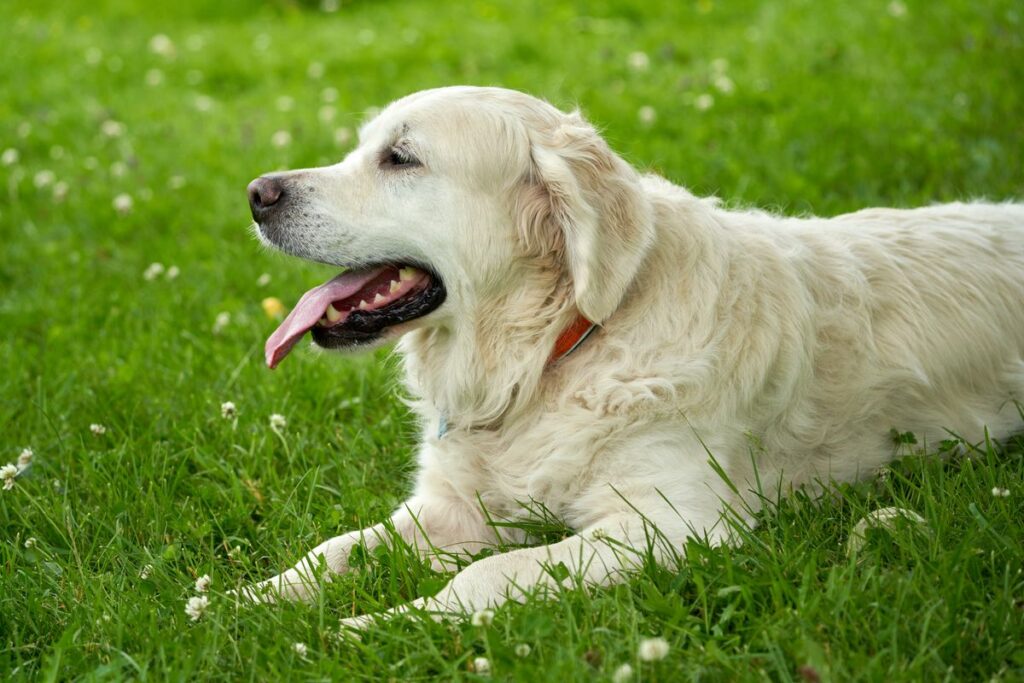
Dogs with white, cream, or light-colored coats are generally more vulnerable because they have less natural skin pigmentation. Hairless breeds and dogs with recently shaved coats are also at greater risk. During a heat wave, stronger sunlight combined with extended outdoor time significantly increases the chances of skin damage.
Unlike mild warmth, sunburn can cause irritation that lasts for several days. Protecting your dog’s skin should become part of your summer care routine, especially if your pet enjoys outdoor adventures.
Why Heat Waves Increase the Risk
Heat waves bring intense sunlight, higher UV levels, and prolonged exposure to hot weather. Even if the temperature feels manageable, UV radiation can still damage your dog’s skin within a relatively short period.
Dogs often enjoy lying in sunny spots or spending extra time outdoors with their families. Unfortunately, they don’t always recognize when they’ve had too much sun. The combination of high temperatures and UV exposure can also contribute to dehydration, overheating, and burned paw pads, making outdoor conditions even more dangerous.
Planning walks during the early morning or late evening reduces both heat exposure and the likelihood of dog sunburn.
Which Dogs Are Most Vulnerable?
Not every dog faces the same level of risk. Some breeds naturally have characteristics that make sunburn more likely.
Breeds with Higher Risk
Dogs that commonly face a higher risk include:
| Dog Type | Why They’re Vulnerable |
|---|---|
| Hairless breeds | Little or no natural sun protection |
| White-coated dogs | Less skin pigmentation |
| Light-colored breeds | Sensitive skin |
| Dogs with thin coats | More exposed skin |
| Recently shaved dogs | Reduced fur protection |
Older dogs and pets with certain skin conditions may also be more sensitive to prolonged sun exposure.
Common Signs of Dog Sunburn
Recognizing dog sunburn early helps prevent further irritation. Mild cases usually appear as pink or red skin, especially around the nose, ears, belly, eyelids, and areas with sparse fur.
As the condition worsens, the skin may become dry, flaky, swollen, or painful to the touch. Some dogs may lick or scratch affected areas more frequently because of discomfort. Severe sunburn can even lead to blisters or peeling skin, requiring prompt veterinary care.
If your dog suddenly avoids being touched or seems uncomfortable after spending time outdoors, check for signs of sunburn.
Areas Most Likely to Get Sunburned
Certain parts of a dog’s body receive more direct sunlight than others. The nose is particularly vulnerable because it often has little hair coverage. Ear tips, around the eyes, the belly, inner thighs, and any thinly covered skin can also burn easily.
Dogs that enjoy lying on their backs while sunbathing expose their stomachs to direct UV rays, increasing the chance of irritation. Keeping these sensitive areas protected is especially important during heat waves.
How to Prevent Dog Sunburn
Preventing dog sunburn is much easier than treating it. The first step is limiting outdoor activities during the hottest hours, usually between late morning and mid-afternoon.
Provide shaded resting areas whenever your dog is outside. Fresh drinking water should always be available to help regulate body temperature. If your dog enjoys long walks or hikes, choose shaded trails whenever possible.
Safe Outdoor Habits
Simple habits can make a big difference:
- Walk your dog early in the morning or after sunset.
- Provide shade in the backyard.
- Avoid prolonged sun exposure.
- Use cooling mats or shaded resting areas.
- Monitor your dog for signs of overheating.
These precautions help reduce the risk of both dog sunburn and heat-related illnesses.
Can You Use Sunscreen on Dogs?
Yes, but only sunscreens specifically formulated for dogs should be used. Human sunscreens often contain ingredients such as zinc oxide or salicylates that can be harmful if dogs lick them.
Apply pet-safe sunscreen to exposed areas like the nose, ear tips, and belly before outdoor activities. Reapply according to the product instructions, particularly if your dog swims or spends extended periods outside.
Protective clothing designed for dogs can also offer additional UV protection without relying solely on sunscreen.
What to Do If Your Dog Gets Sunburned
If your dog develops mild sunburn, immediately move them into a cool, shaded area. Applying a cool, damp cloth to the affected skin can provide temporary relief.
Prevent your dog from scratching or licking irritated areas, as this may worsen the damage. Ensure they remain hydrated and avoid further sun exposure until the skin heals.
Never apply human burn creams or medicated lotions without veterinary guidance, as some ingredients may be unsafe for pets.
When to Contact a Veterinarian
While mild redness often improves with proper care, severe dog sunburn requires professional attention. Contact your veterinarian if your dog develops blisters, significant swelling, open sores, persistent pain, or signs of infection.
Dogs that become unusually tired, refuse food, or show symptoms of heatstroke alongside sunburn should receive immediate veterinary evaluation. Early treatment helps reduce discomfort and prevents complications.
Heat Wave Safety Tips for Dogs
Heat waves require extra attention beyond preventing sunburn. Always provide access to clean water, avoid hot pavement, and never leave your dog inside a parked vehicle.
Watch for heavy panting, excessive drooling, weakness, vomiting, or collapse, as these may indicate heatstroke rather than simple overheating. Combining sun protection with overall heat safety creates the best defense against summer hazards.
Common Mistakes to Avoid
Many owners assume that thick fur completely protects dogs from the sun. While fur offers some coverage, exposed skin remains vulnerable to UV damage.
Another common mistake is shaving double-coated breeds too closely during summer. Their coats actually help regulate body temperature and provide some natural protection against sunlight. Using human sunscreen is another avoidable risk that can expose dogs to harmful ingredients.
Conclusion
Dog sunburn is a real concern during heat waves, especially for dogs with light-colored coats, thin fur, or exposed skin. Fortunately, simple precautions like limiting midday outdoor activities, providing shade, using pet-safe sunscreen, and monitoring your dog’s skin can greatly reduce the risk.
Summer should still be a season of fun and adventure for you and your dog. With thoughtful planning and proper protection, your furry companion can safely enjoy walks, playtime, and outdoor activities while staying comfortable and healthy.
Frequently Asked Questions
1. Can dogs really get sunburned?
Yes. Dogs can develop sunburn on exposed areas such as the nose, ears, belly, and around the eyes after excessive UV exposure.
2. Which dogs are most likely to get sunburn?
Hairless breeds, white-coated dogs, light-colored dogs, and recently shaved dogs have the highest risk.
3. Is human sunscreen safe for dogs?
No. Only pet-safe sunscreen should be used because many human products contain ingredients that are toxic to dogs.
4. How can I protect my dog during a heat wave?
Keep your dog in shaded areas, avoid midday walks, provide fresh water, and apply dog-safe sunscreen to exposed skin.
5. Does dog sunburn require veterinary treatment?
Mild sunburn often improves with home care, but severe redness, blisters, swelling, or signs of infection should be examined by a veterinarian.